Helmet Sale! Get 15% OFF reg. priced Helmets with promo code HELMET15 Shop Now>>
Get an EXTRA 15% OFF Everyday Low Price Tires with promo code TIRES15 >> SHOP NOW
Everyday Free Shipping on orders over $249 * See Exclusions
Helmet Sale! Get 15% OFF reg. priced Helmets with promo code HELMET15 Shop Now>>
Get an EXTRA 15% OFF Everyday Low Price Tires with promo code TIRES15 >> SHOP NOW
Everyday Free Shipping on orders over $249 * See Exclusions


Helmet Sale! Get 15% OFF reg. priced Helmets with promo code HELMET15 Shop Now>>
Get an EXTRA 15% OFF Everyday Low Price Tires with promo code TIRES15 >> SHOP NOW
Everyday Free Shipping on orders over $249 * See Exclusions
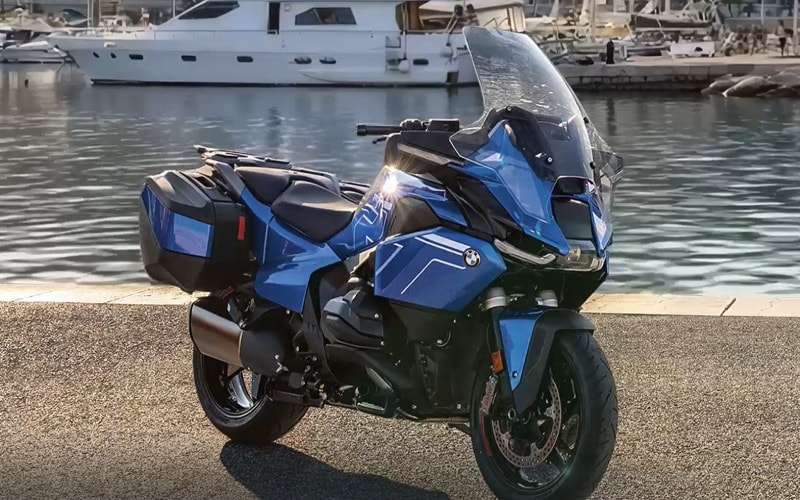
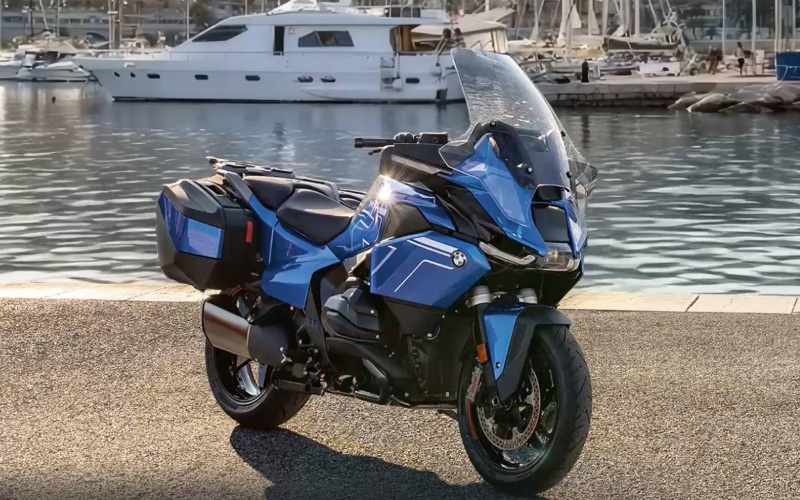
Navigating Washington, D.C. traffic demands patience, awareness, and a motorcycle that eases the mental load. The Riding Assistant on the 2026 BMW R 1300 RT does exactly that, combining radar-based Active Cruise Control (ACC) with brake function, front collision warning, and lane change warning to help you ride more smoothly across variable speeds and dense multi-lane corridors. If your daily or weekly rides include stretches of I-395, the Southeast Freeway, or the bridges that funnel commuters into the city’s core, this technology can be a genuine ally.
Think of the Riding Assistant as a set of supportive tools that reduce repetitive inputs without dulling your control. ACC maintains the speed you set, then automatically adjusts to preserve your chosen following distance when traffic ebbs and flows. If a vehicle ahead slows more abruptly than expected, the system’s brake function helps scrub speed smoothly. Front collision warning serves as a timely prompt to react when you are closing too quickly, while lane change warning monitors your blind spots, a welcome backup in areas with short on-ramps and busy merge zones. It is not a substitute for attentiveness, but it can reduce fatigue by curating a calmer rhythm through Washington, D.C.’s pulse.
Integrating the Riding Assistant into your day-to-day is straightforward. On the R 1300 RT, the controls are laid out for easy access, and settings for following distance in ACC are intuitive to adjust. Riders commuting into the city may opt for a slightly longer gap to allow room for cut-ins or abrupt slowdowns, whereas weekend rides on the George Washington Memorial Parkway or Clara Barton Parkway might call for shorter spacing when traffic is light. Because the radar sensor monitors up to 328 feet ahead, you will feel the system modulate speed well before you need to intervene, preserving smoothness that translates into less helmet buffeting and gentler transitions for a passenger.
Pair the Riding Assistant with other RT options, and the benefits scale. The Automated Shift Assistant (ASA) automates clutch operation and gear changes in D mode, helping you stay composed across rolling bottlenecks or lane shifts near the 14th Street and Memorial Bridges. Meanwhile, the optional Dynamic Chassis Adaption (DCA) can set a firmer, more responsive stance in Dynamic mode for quick lane changes on the freeway, then relax into a plusher posture in comfort-oriented modes as you settle into steady-state cruising on US-50 or the Baltimore-Washington corridor.
Night rides demand their own kind of confidence, and Headlight Pro helps you keep that poise as you lean through sweeping ramps or carve across urban roundabouts. By adapting the beam pattern in corners, the system helps illuminate where you are actually going rather than just what is directly ahead. Add the optimized wind and weather protection—and available variable slipstream deflectors—and you gain a calmer cockpit that complements radar assistance by dialing down noise and fatigue.
For many D.C.-area riders, the practicality of a touring bike also matters. Here the R 1300 RT’s up to 87 liters of storage, available Touring Vario cases with interior lighting, and topcase options cater to everyday carry needs. Commuters who bring a laptop and a change of clothes will appreciate predictable, weather-resistant storage; two-up riders heading to an evening out can stash extra layers and small bags with house-key simplicity, especially when paired with central locking. The Connectivity Hub and Audio Pro sound system round out daily usability by integrating rider gear and entertainment without unnecessary complexity.
In real-world Washington, D.C. traffic, you still ride proactively—scanning crosswalks near the Mall, watching for bus movements along major avenues, and staying alert on reversible lanes and short exit ramps. What changes with the Riding Assistant is the baseline effort required to hold a steady speed and space. Smoother speed control tends to smooth everything else: helmet acoustics improve, suspension reactions feel more controlled, and interactions with your passenger become more relaxed. Over a week of commuting, those small improvements add up to a meaningful reduction in fatigue.
We also hear from riders who split time between Beltway commutes and weekend escapes west toward the Piedmont or north to the Susquehanna. On those mixed itineraries, ACC shines by eliminating the micro-adjustments your throttle hand would otherwise make as traffic density shifts. Then, on emptier roads, you can run your preferred pace, toggle the distance setting, and let the RT’s boxer engine and chassis settle into a refined, unhurried rhythm.
Set up correctly, the Riding Assistant becomes a nearly invisible helper—one that steps forward when you need it and retreats when you do not. That is touring done right. If you want help tailoring the settings to your routes or fitting the RT with accessories that match your urban and weekend needs, our team can share practical, local guidance drawn from many miles on the same roads you ride.
Bob's Motorcycles is proud to support riders across the region, serving Washington, D.C., Arlington, VA, and Alexandria, VA, with a rider-first approach that makes technology approachable and ownership enjoyable.
Pro tips for dialing in Riding Assistant on your R 1300 RT
Frequently Asked Questions:
Does Active Cruise Control work at urban speeds?
Yes. The radar-based ACC manages your set speed and following distance across a wide operating range, making it useful from lower urban speeds up to highway cruising. It remains your job to steer, monitor conditions, and intervene when necessary.
Will the Riding Assistant reduce fatigue on the Beltway?
Most riders report smoother pacing and fewer abrupt inputs, which leads to less fatigue. By maintaining your chosen gap and speed on I-495 and connecting arteries, ACC helps create a steadier cadence through the day’s inevitable speed variations.
How does front collision warning alert me?
If you are closing too quickly on a vehicle ahead, the system prompts you with a brief braking action and visual or haptic cues so you can respond. It is designed to assist your awareness, not replace your judgment.
Is lane change warning helpful on multi-lane bridges?
Yes. It monitors your blind spots during merges and passes—useful on bridges and short on-ramps where traffic density spikes. You should still shoulder check and use mirrors, treating the system as a second set of eyes.

Read More about shipping exclusions
Please contact us if you have further questions.