Act NOW and SAVE 10% on Heated Gear with promo code STAYWARM Ends 10/31/2026.
Everyday Free Shipping on orders over $249 * See Exclusions
Act NOW and SAVE 10% on Heated Gear with promo code STAYWARM Ends 10/31/2026.
Everyday Free Shipping on orders over $249 * See Exclusions


Act NOW and SAVE 10% on Heated Gear with promo code STAYWARM Ends 10/31/2026.
Everyday Free Shipping on orders over $249 * See Exclusions
Washington, D.C. riding is a blend of weekday congestion, unpredictable pavement, and weekend escapes west toward rolling farm roads or east toward the Chesapeake. That mix rewards upgrades that boost reliability, comfort, and visibility without adding needless weight or complexity. Here’s a practical roadmap to building a bike that thrives in commuter traffic and still shines on a Sunday loop along your favorite backroads.
Well-chosen maintenance parts set the tone for everything that follows. Use OEM-spec filters, the correct-grade oil, and the right plugs and brake pads for your bike. Tires? Choose a compound tailored to our region’s stop-and-go traffic, summer heat, and frequent rain. Then add practical protection: crash bars that protect valve covers or radiators, hand guards that keep levers safe, and a low-profile headlight shield. In dense Beltway traffic, these pieces can prevent small mishaps from becoming big bills.
Protection should also include visibility. Auxiliary lighting with a clean cutoff improves conspicuity without blinding oncoming traffic. A high-contrast, attention-grabbing brake light module can encourage following drivers to give you space. Keep wiring tidy and weatherproof, and confirm CAN bus compatibility where applicable.
Urban starts and stops highlight ergonomics. If your wrists or knees complain, address handlebar height and sweep, lever reach, footpeg position, and seat support. A well-shaped seat with the correct foam density can reduce fidgeting and help you lock into the bike when maneuvering at parking-lot speeds. The right windshield height reduces buffeting for your torso without creating helmet turbulence—especially helpful on the George Washington Memorial Parkway or along the Anacostia Freeway when crosswinds build.
Fine-tuning controls also boosts precision. Adjustable levers make clutch work and braking more consistent over time, and good bar-end weights can calm vibes that creep in with stiffer tires or luggage.
For D.C. commuters, a slim top case and tank bag are often enough, keeping lane changes nimble and off-bike errands simple. For weekend loops, a modular approach—top case plus soft side bags—adds flexibility without committing to a heavy, permanent rack. If you ride two-up, inner bags speed hotel check-ins and let you carry gear inside without unbolting cases.
Pay attention to mounting hardware. Properly triangulated racks reduce flex and help luggage track straight at speed. If you plan light gravel, verify tire clearance under compression and keep exhaust heat away from soft bags with model-specific brackets or shields.
Phones now serve as nav, comms, and payment in one. Use a vibration-damping mount and a bike-powered charger with waterproof connectors. Route cables with drip loops and strain relief so rain and steering movement never tug exposed leads. For auxiliary lighting, match beam patterns to your goals: a focused spot for distance, a wide flood for shoulder awareness. Always aim lights correctly and confirm switching logic doesn’t conflict with factory controls.
Upgrades are only as good as their fit. Professional installs ensure proper torque, clean wire routing, correct clearances, and up-to-date software where applicable. Saturday while-you-wait service is perfect for many bolt-ons, tire swaps, or annuals; larger jobs are best booked midweek to prevent rushing. A Maryland inspection is a smart add-on after bigger projects to confirm safety from stem to stern.
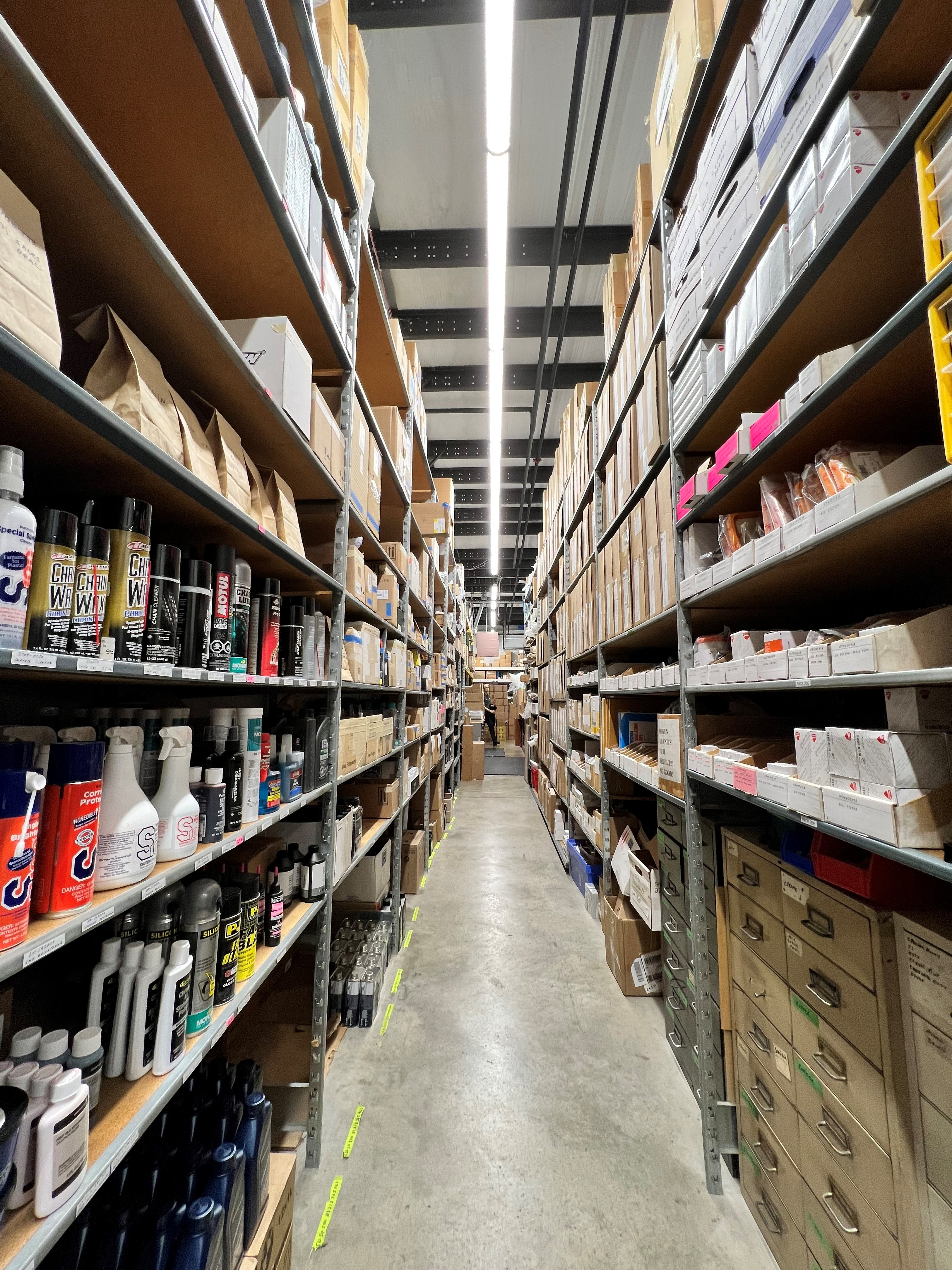
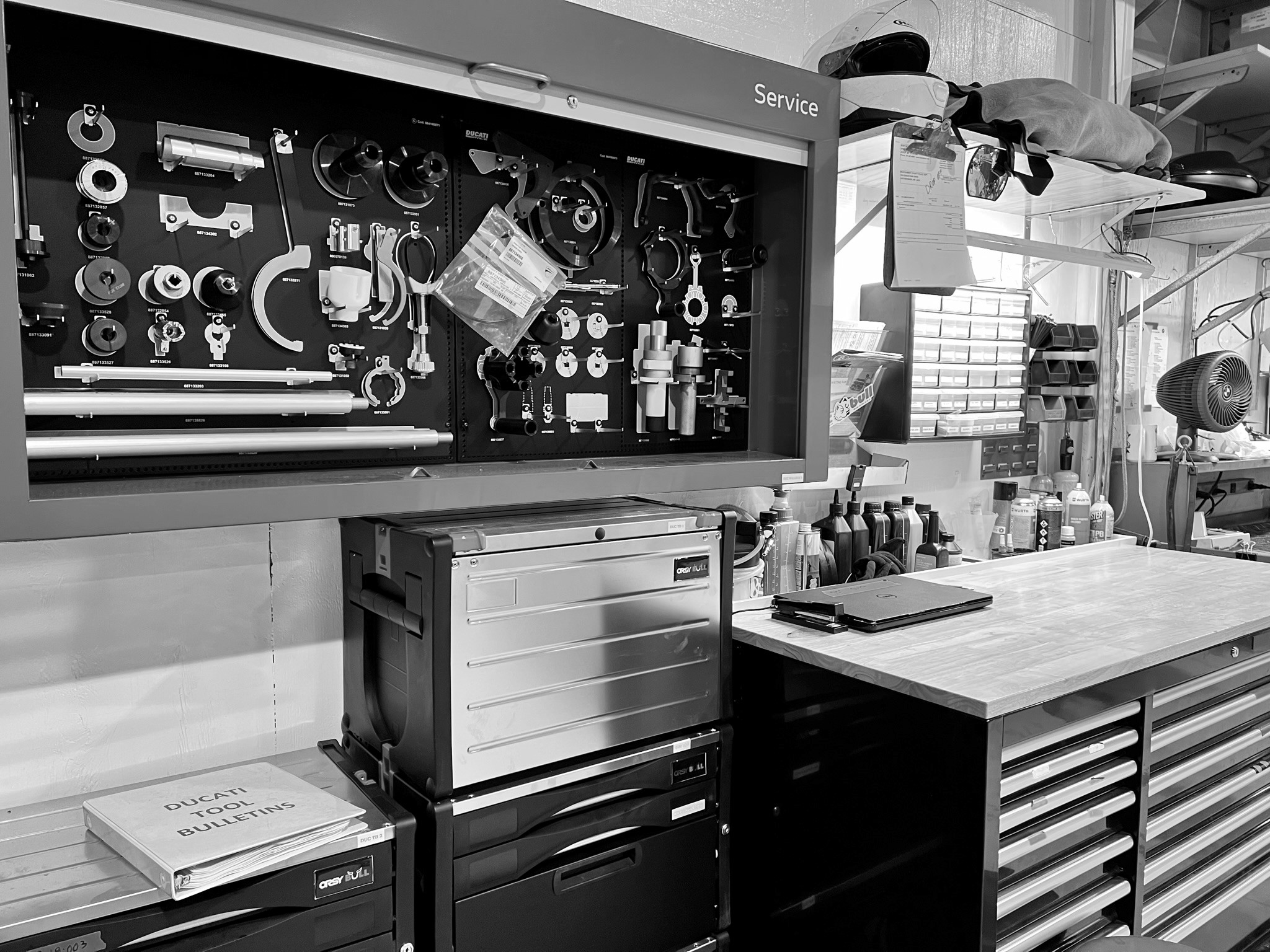
If you are reviving a classic or tackling a complex build, benchwork services like ultrasonic cleaning, carb or injector refreshes, and component rebuilding restore performance piece by piece. Combine that with accurate parts sourcing—OEM where it matters, premium aftermarket where it adds value—and you get a machine that feels purposeful, not piecemeal.
Should I prioritize protection or comfort first?
Start with maintenance, then add protection that prevents expensive damage. Next, address comfort and ergonomics so your commute feels effortless and weekend miles stay fun.
Are OEM parts always better than aftermarket?
Not always. OEM is the safe baseline for fit and reliability. Quality aftermarket shines in areas like guards, luggage, and lighting—if the brand supports your exact model and the hardware is complete.
How can I avoid electrical headaches with new lights or chargers?
Use bike-specific harnesses, proper fusing, and weatherproof connectors. Confirm CAN bus compatibility on modern bikes and mount switches where they’re intuitive and safe to operate.
What luggage setup works best for daily riding?
A compact top case plus a tank bag usually nails commuting needs. Add modular soft sides for weekend trips so you keep city maneuverability during the week.
Can pro installation really make a difference?
Yes. Correct torque, cable routing, clearances under suspension travel, and software updates all impact longevity and safety—especially on modern platforms.
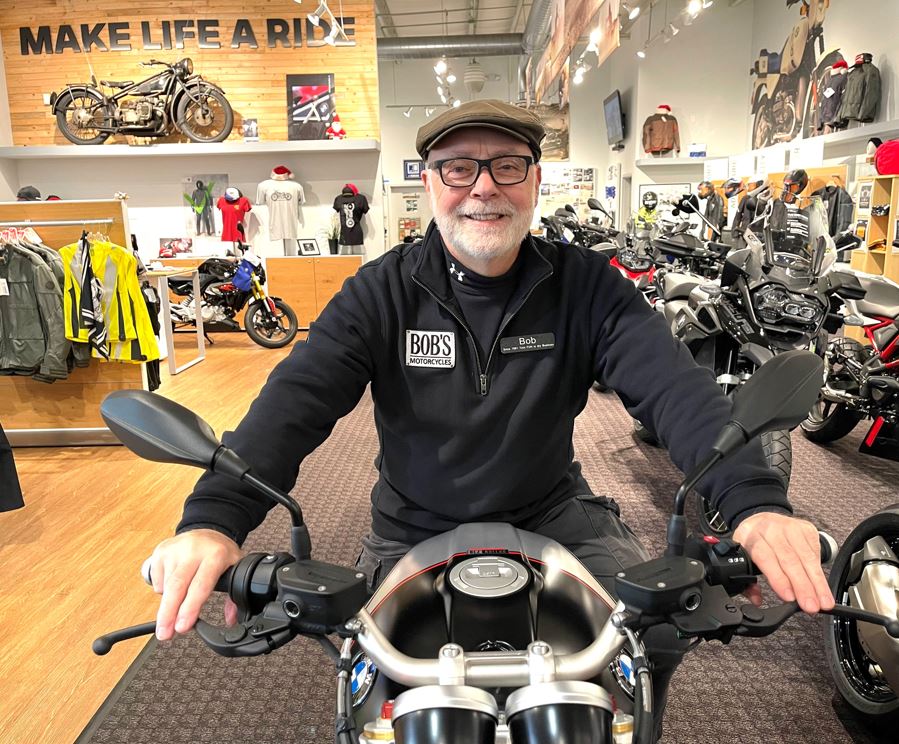
From pothole-dodging commutes to blue-sky backroads, a measured parts plan pays real dividends. Start with maintenance and protection, then shape ergonomics, visibility, and luggage around your height, routes, and cargo needs. If you want expert help choosing and fitting the right pieces—serving Baltimore, MD, Washington, D.C., and Arlington, VA—our team is ready to streamline the whole process. One thoughtful upgrade at a time adds up to a bike that feels custom-built for your life. Bob's Motorcycles is here to guide you through each step with clear options, verified fitment, and professional installation when you want it.

Read More about shipping exclusions
Please contact us if you have further questions.