Helmet Sale! Get 15% OFF reg. priced Helmets with promo code HELMET15 Shop Now>>
Get an EXTRA 15% OFF Everyday Low Price Tires with promo code TIRES15 >> SHOP NOW
Everyday Free Shipping on orders over $249 * See Exclusions
Helmet Sale! Get 15% OFF reg. priced Helmets with promo code HELMET15 Shop Now>>
Get an EXTRA 15% OFF Everyday Low Price Tires with promo code TIRES15 >> SHOP NOW
Everyday Free Shipping on orders over $249 * See Exclusions


Helmet Sale! Get 15% OFF reg. priced Helmets with promo code HELMET15 Shop Now>>
Get an EXTRA 15% OFF Everyday Low Price Tires with promo code TIRES15 >> SHOP NOW
Everyday Free Shipping on orders over $249 * See Exclusions
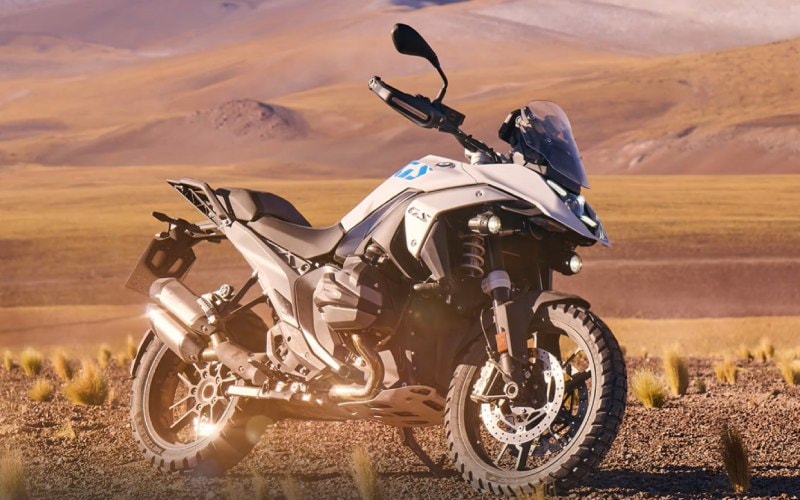
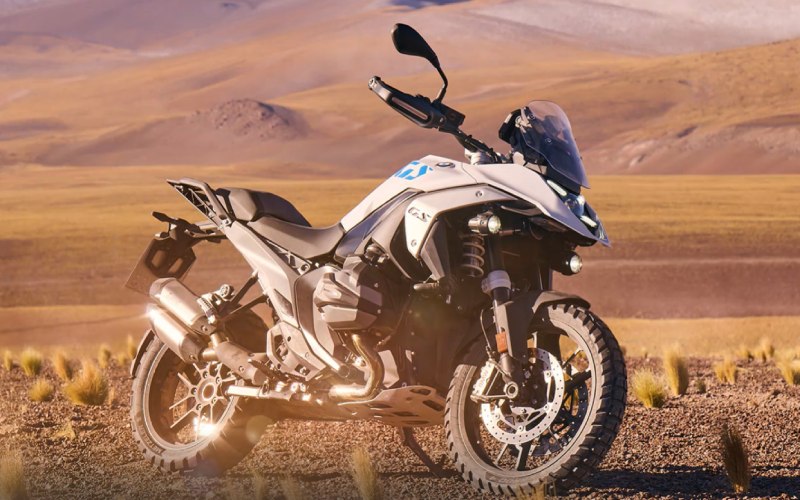
If you’ve ever hesitated at an uneven trailhead or a sloped city stoplight, you know that confidence begins the moment your boots touch the ground. That’s why two innovations on BMW’s latest GS platform stand out for riders across varied terrain: adaptive vehicle height control and the Automated Shift Assistant (ASA). These systems work independently, yet each aims to make the ride feel more manageable, more intuitive, and ultimately more fun for a broader range of riders. This deep dive explains how they help you enjoy the bike’s celebrated balance whether you’re navigating historic neighborhoods, climbing Blue Ridge switchbacks, or loading up for a weekend escape.
Adaptive vehicle height control is designed around the reality that your needs differ when you’re rolling versus stopped. On the move, you want generous suspension travel and ground clearance. At a stop, you want a lower seat height for steadier footing. The optional system intelligently lowers the motorcycle as you come to a halt, then restores ride height as you accelerate. The effect is immediate: easier one-foot or two-foot stops and calmer low-speed paddling without giving up the suspension stroke you rely on when the road gets rough. Riders who previously shied away from taller adventure models often find the difference transformative, especially on cambered roads, gravel turnouts, or fuel stops with uneven pavement.
Now add ASA, BMW’s Automated Shift Assistant. This available technology automates clutch operation and synchronizes gear changes electronically, freeing you to focus on throttle, braking, and line selection. Whether you’re easing through traffic or settling into a rhythm on backroads, ASA can smooth transitions, reduce fatigue, and help the bike feel even more composed over a full day’s ride. Importantly, you still control the gears, choosing when to shift, while the system performs the clutch work with remarkable precision. For riders new to big-bore adventure machines, ASA can flatten the learning curve; for seasoned riders, it minimizes workload in tight technical sections or during long stretches of stop-and-go.
Taken together, adaptive vehicle height control and ASA complement the chassis fundamentals that already make this GS special. EVO Telelever keeps the front end settled under braking and quick direction changes, while EVO Paralever stabilizes the rear during hard drives out of corners or over washboard surfaces. An LED matrix headlight provides crisp illumination after dark, and the optional Riding Assistant’s environmental sensor system brings situational awareness into clear view. That integrated approach is the point: the more you reduce friction in the ride, the more you notice the landscape, the route, and the simple satisfaction of flowing from one mile to the next.
For riders mapping routes that blend urban and rural terrain, confidence features matter as much as outright power. The seat height variability, extra-flat GS Flyline for body movement, and balanced weight distribution create a steadiness that invites exploration. With adaptive vehicle height control and ASA in the mix, you unlock access to more backroads and parking scenarios with less apprehension. The result is less time worrying about logistics and more time enjoying the journey itself.
When planning your build, think through the moments that challenge you—off-camber intersections, gravel pull-offs, slow-speed U-turns, or steep driveways. That’s where adaptive vehicle height control and ASA pay off every ride. If you love long-distance travel, consider complementing these options with a screen that suits your height and luggage solutions that maintain balance without bulk. You’ll create a setup that feels custom-tailored to your day-to-day routes and weekend ambitions.
Bob's Motorcycles supports riders by explaining how these systems behave in real-world conditions and by configuring ergonomic, luggage, and protection choices that align with your priorities. With one knowledgeable source serving Alexandria, Gaithersburg, and Fredericksburg, you can get clear answers on what each package adds and how it changes the ride, so your final build serves you today and grows with your skills tomorrow.
Frequently Asked Questions:
How does adaptive vehicle height control affect handling while riding?
Once you’re moving, the system restores ride height so you retain suspension travel and ground clearance. Handling remains poised because the change occurs as you accelerate away from a stop, preserving stability on the road or trail.
Does ASA remove rider control of shifting?
No. You decide when to shift; ASA automates the clutch operation and coordinates each change. Many riders find it reduces fatigue in traffic and adds smoothness on longer rides.
Will shorter riders benefit from both features together?
Yes. Lowering at a stop improves footing, and ASA reduces effort during starts and low-speed maneuvers. Combined, they make tall adventure ergonomics more approachable without sacrificing capability.
Are these systems compatible with other GS options?
Yes. Riders often pair them with Dynamic Suspension Adjustment, seat-height choices, and luggage solutions to build a cohesive, confidence-forward setup.

Read More about shipping exclusions
Please contact us if you have further questions.