Helmet Sale! Get 15% OFF reg. priced Helmets with promo code HELMET15 Shop Now>>
Get an EXTRA 15% OFF Everyday Low Price Tires with promo code TIRES15 >> SHOP NOW
Everyday Free Shipping on orders over $249 * See Exclusions
Helmet Sale! Get 15% OFF reg. priced Helmets with promo code HELMET15 Shop Now>>
Get an EXTRA 15% OFF Everyday Low Price Tires with promo code TIRES15 >> SHOP NOW
Everyday Free Shipping on orders over $249 * See Exclusions


Helmet Sale! Get 15% OFF reg. priced Helmets with promo code HELMET15 Shop Now>>
Get an EXTRA 15% OFF Everyday Low Price Tires with promo code TIRES15 >> SHOP NOW
Everyday Free Shipping on orders over $249 * See Exclusions
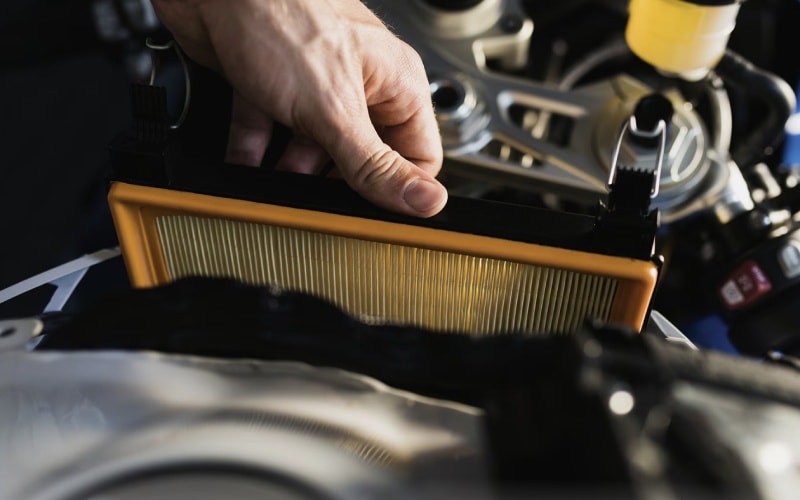
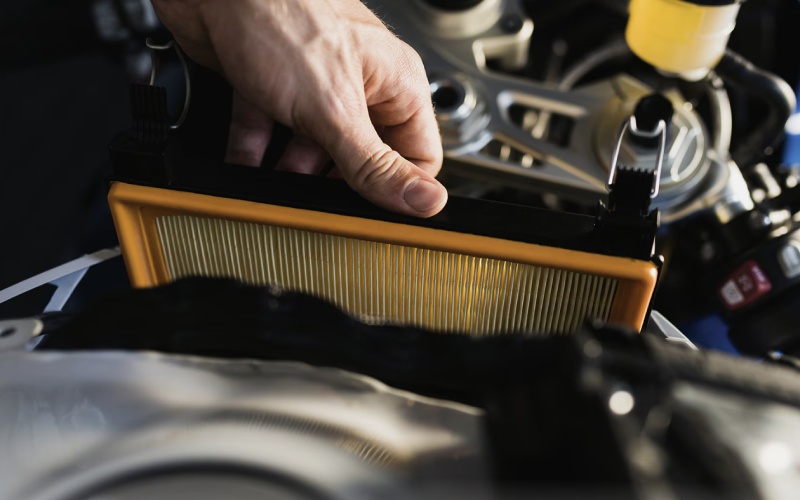
BMW motorcycle parts shopping can feel simple at first: find the item, confirm the year, and place the order. In real life, riders quickly learn that BMW fitment can involve model series, production date, trim level, installed accessories, and related hardware that may not appear in a basic product title. That is why a thoughtful parts process matters for Alexandria, VA riders who use one motorcycle for commuting, weekend touring, and occasional long-distance travel. A bike that moves from Old Town streets to I-395, the Capital Beltway, and scenic routes along the Potomac needs parts that fit properly and hold up to varied riding demands. The right oil filter, battery, brake component, windshield, luggage mount, lighting accessory, or service kit can improve confidence without changing the character of the motorcycle.
BMW owners also tend to keep motorcycles for a long time, which makes accurate parts sourcing even more important. A current R 1300 GS rider may be looking for Vario case liners, protection parts, or auxiliary lighting, while an Airhead owner may need a seat cowl, rear drive component, fork assembly, reproduction exhaust, or original-style hardware. A K bike owner may be searching for mirrors, bodywork, electrical pieces, or luggage-related parts. Bob's Motorcycles supports this range with OEM lookup tools, broad parts categories, apparel and accessory selections, used parts resources, and service knowledge, serving Arlington, VA, Alexandria, VA, and Gaithersburg, MD, with rider-focused support for both modern and classic BMW motorcycles.
The BMW motorcycle OEM parts microfiche is one of the most useful tools for avoiding fitment mistakes. Instead of relying only on a product name, riders can search by model series and diagram, then identify the exact part and surrounding hardware. BMW platforms are organized across R Series, K Series, F and G Series, S and M Series, and C Series, with coverage that reaches back to vintage R Series motorcycles from the 1950s and continues through current models. This is valuable because the part that seems obvious may not be the only item needed for a complete repair. A windshield replacement may require specific grommets or fasteners. A fuel system job may involve seals. A luggage mount may need brackets, bolts, or model-specific adapters.
Using diagrams also helps riders communicate clearly with a parts specialist or technician. Instead of describing a part as “the bracket under the seat” or “the rubber piece near the tank,” a rider can reference the diagram area and part position. That reduces confusion, especially for vintage BMWs or motorcycles with previous owner modifications. If your bike has aftermarket accessories already installed, microfiche research can also help separate factory parts from added equipment. For DIY work, this makes a weekend project more organized. For professional installation, it helps the service team prepare the right components before the motorcycle arrives.
A BMW motorcycle is built as a system, and parts choices should follow that logic. Replacing a worn brake pad may lead to checking rotors, fluid condition, lines, and tire age. Adding auxiliary lighting may require evaluating mounting points, wiring, switch placement, and electrical load. Installing luggage can involve racks, case liners, locks, side cases, top cases, tank bags, tail bags, and weight distribution. Even a comfort change such as a seat or windshield should account for rider height, passenger needs, helmet airflow, and typical road speeds. Alexandria-area riders may spend time in urban traffic, then transition to faster roadways within minutes, so comfort and control upgrades need to work across both environments.
This system-based mindset also helps riders plan upgrades in the right order. For example, a touring rider may want luggage and lighting, but fresh tires and current maintenance could be a smarter first step. A vintage owner may want cosmetic pieces, but fuel delivery, charging health, brakes, and tires should be evaluated before longer rides. A sport rider may want performance accessories, but brake condition, suspension setup, and tire selection often provide the clearest benefit. Good parts decisions keep the bike balanced, dependable, and enjoyable.
Genuine BMW motorcycle parts are often the best fit for maintenance, repairs, and systems where precision matters. OEM means original equipment manufacturer, and BMW OEM parts are designed to match the components used when the motorcycle was built. This matters for engine-related parts, seals, filters, electronics, controls, brakes, drivetrain components, body mounting points, and model-specific hardware. Genuine parts can also support warranty expectations when installed by an authorized BMW dealer. BMW genuine parts installed by an authorized BMW dealer include parts coverage for 2 years with unlimited mileage, and labor coverage for one year, subject to warranty guidelines.
OEM does not mean every accessory choice must be factory-branded. Many riders choose respected aftermarket brands for protection, luggage, lighting, ergonomics, navigation, communication, and travel convenience. The key is knowing which category calls for factory precision and which category allows smart customization. For example, a factory filter or gasket may be the best call during service, while a Denali lighting setup, Touratech crash bars, SW-MOTECH luggage solution, Garmin navigation accessory, or Cardo communication system may better match a specific riding goal. A knowledgeable parts team can help compare options without pushing a one-size-fits-all answer.
BMW’s long motorcycle history gives owners a unique advantage: many machines remain roadworthy decades after production. The challenge is that some original parts can become hard to find. Used parts, reproduction parts, and alternate parts can be valuable for Airheads, K bikes, and older R Series models when selected carefully. Used components can help with bodywork, trim, luggage, instruments, seats, wheels, lighting, controls, and discontinued pieces. Reproduction parts can be helpful for classic restoration when an original component is unavailable or not practical. The goal is not just to make an older bike look complete; the goal is to make it dependable, safe, and satisfying to ride.
Condition matters. A used cosmetic part with minor wear may be a sensible purchase, while a used brake, suspension, or driveline component should be evaluated much more carefully. Vintage projects also benefit from component repair services such as rebuilding, reconditioning, resurfacing, relining, ultrasonic cleaning, carburetor work, fork service, brake service, transmission work, final drive attention, and paint matching. For owners restoring a motorcycle that has spent years in a garage, a parts plan paired with certified service guidance can prevent unnecessary purchases and help prioritize roadworthiness.
Some BMW motorcycle parts are perfect for DIY maintenance, especially when a rider has the correct tools, the service manual, and confidence in the job. Other parts are better paired with professional installation. Tires, brake components, electrical accessories, lighting, suspension, fuel system parts, software-sensitive items, luggage systems requiring precise mounting, and major drivetrain work deserve careful attention. Certified technicians can also perform inspections, check for open recalls, and evaluate related components before installation. That creates a more complete picture than simply replacing the part that appears worn.
For riders balancing a busy schedule, service planning matters. Standard maintenance, annual service, tire changes, oil and filter changes, and select accessory installations may fit into while-u-wait Saturday service, while larger diagnostic work is better scheduled during the week. Riders who need a smoother process can organize part numbers, service needs, mileage, VIN, and existing accessory details before requesting service. This makes the conversation faster and helps confirm whether parts should be ordered ahead of time.
How do I know if a BMW motorcycle part fits my exact bike?
Use the BMW OEM microfiche by model series and year, then confirm the diagram and part number. If your motorcycle has aftermarket accessories or past modifications, ask a parts specialist to verify compatibility.
Should Alexandria, VA commuters prioritize different parts than touring riders?
Commuters often benefit from tires, brakes, batteries, lighting, comfort upgrades, and charging accessories. Touring riders may add luggage, wind protection, ergonomic upgrades, service kits, and long-mile maintenance planning.
Are aftermarket BMW accessories safe to use?
Quality aftermarket accessories can be excellent when selected for the correct model and installed properly. Protection parts, luggage, lights, navigation, and comfort accessories are common examples.
What information should I have before ordering parts?
Have the motorcycle year, model, VIN when possible, mileage, current accessories, and a clear description of the repair or upgrade. Photos can also help when identifying older or unusual components.
Choosing BMW motorcycle parts is ultimately about confidence. The right component should fit the bike, support the riding purpose, and work with related systems. Whether your goal is factory-correct maintenance, vintage restoration, better touring comfort, improved visibility, or a carefully planned accessory upgrade, a methodical parts process helps protect your time and your motorcycle. Start with the microfiche, think in systems, compare OEM and quality accessory options, and ask for expert guidance when the job affects safety or long-term reliability.

Read More about shipping exclusions
Please contact us if you have further questions.