Helmet Sale! Get 15% OFF reg. priced Helmets with promo code HELMET15 Shop Now>>
Get an EXTRA 15% OFF Everyday Low Price Tires with promo code TIRES15 >> SHOP NOW
Everyday Free Shipping on orders over $249 * See Exclusions
Helmet Sale! Get 15% OFF reg. priced Helmets with promo code HELMET15 Shop Now>>
Get an EXTRA 15% OFF Everyday Low Price Tires with promo code TIRES15 >> SHOP NOW
Everyday Free Shipping on orders over $249 * See Exclusions


Helmet Sale! Get 15% OFF reg. priced Helmets with promo code HELMET15 Shop Now>>
Get an EXTRA 15% OFF Everyday Low Price Tires with promo code TIRES15 >> SHOP NOW
Everyday Free Shipping on orders over $249 * See Exclusions
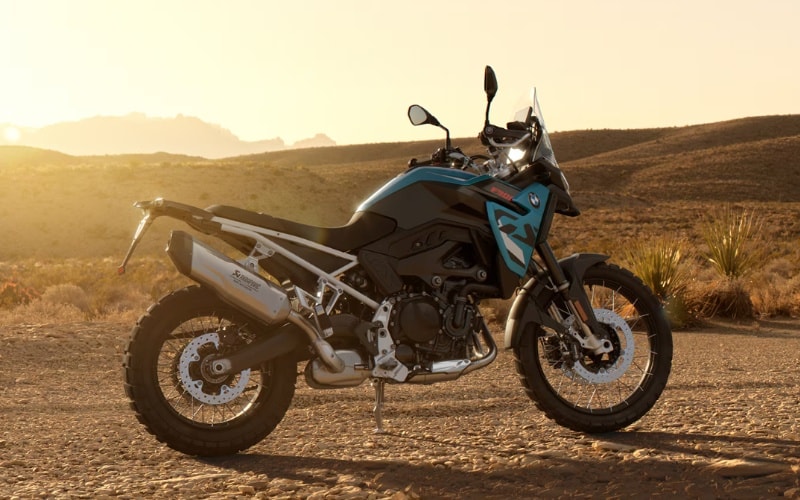
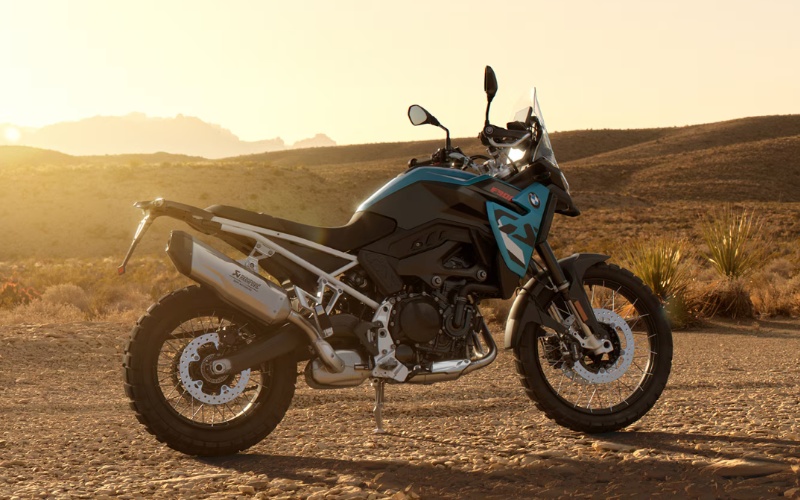
Adventure riders ask this question all the time: how do the 2026 BMW F 900 GS and the 2026 Honda Africa Twin stack up when weight, balance, and everyday rideability are the top priorities? On paper, both deliver serious capability. In practice, their design philosophies shine in different ways that matter on the Beltway, in Old Town traffic, and on those gravel detours everyone keeps whispering about just outside Washington, D.C. This guide cuts through spec-sheet noise to highlight what you actually feel on the bike—low-speed control, chassis feedback, and the kind of integrated features that reduce mental load on every ride.
On long days with traffic, stop-and-go delays, and a mix of broken pavement, a lighter bike is easier to manage and less tiring. That’s the F 900 GS in a nutshell: a 482-lb curb weight, a slim rear section, and a compact 3.8-gallon plastic tank that keeps mass centralized. The 895 cc parallel-twin’s 105 hp at 8,500 rpm is more than strong enough for highway merges and two-lane passes, but it’s the feel at the bars and pegs—especially with the available Enduro Pro suspension—that transforms everyday control. The Africa Twin’s 510-lb curb weight and longer-travel setup deliver stability and rough-road confidence as well, but in tight urban space or on uneven backroads, the lighter GS responds faster, shifts weight more readily, and reduces low-speed anxiety.
Ergonomics play a role too. BMW fits adjustable gearshift and brake levers as standard, so you can fine-tune cockpit feel without additional parts. Hand protectors come standard as well, reducing fatigue in cooler air and adding a small but meaningful layer of brush protection when you finally escape the city grid. Honda’s standard bike includes well-calibrated controls and that signature upright stance, but its strengths lean more toward feature-rich electronics.
Honda’s technology suite is impressive: Apple CarPlay and Android Auto are standard across Africa Twin models, Cornering ABS is IMU-guided, and Honda Selectable Torque Control (HSTC) offers multiple intervention levels. If you’re deeply invested in on-screen smartphone integration, that’s a clear advantage. BMW takes a different tack—clean factory mount preparation and the available ConnectedRide Navigator tie mapping and vehicle data together, while keeping the display simple, legible, and robust. For riders who prefer a purpose-built nav unit over app mirroring, the GS cockpit feels uncluttered and focused.
On the BMW, the available M Endurance chain minimizes maintenance and mess—another real-world win if your weekly riding includes messy construction zones and short-notice detours. It’s one of those pieces of hardware that doesn’t scream for attention, yet quietly simplifies ownership every week of the year.
The F 900 GS’s available Enduro Pro package brings a fully adjustable 45 mm Showa fork and a fully adjustable Sachs rear shock with an expansion tank. This setup helps the GS stay composed under hard braking and on square-edge hits, while also keeping the front end communicative in low-speed, tight-turn situations. The Africa Twin’s 45 mm Showa SFF-BP fork with 9.1 inches of travel and Pro-Link® Showa rear shock provide excellent compliance; it’s an absorbing, plush feel that many riders appreciate on rougher tarmac and graded fire roads. The choice often comes down to preference: do you want the GS’s slightly sharper feedback and lower mass, or the Africa Twin’s combination of longer travel and electronic convenience?
BMW’s 3-year/36,000-mile factory warranty on new motorcycles is a standout in this class. Honda counters with a transferable, unlimited-mileage one-year warranty, and optional extended coverage via HondaCare®. If you plan to keep your ADV for years, the BMW coverage provides extra peace of mind from day one. That calculus becomes more compelling when paired with wear-reducing components like the M Endurance chain.
Electronics vs. hardware is the crux. Honda’s interface is excellent for riders who want tight smartphone integration and a broad ride-mode palette. BMW keeps your eyes on the road and your hands on purposeful controls, then lets the chassis do the talking. Neither approach is wrong—but if you’re chasing confidence in tight urban corridors and quick transitions to gravel, the GS has the edge.
Imagine a workweek that blends downtown commutes, late-evening errand runs, and a Saturday escape to packed-dirt byways. The Africa Twin’s cruise control and CarPlay/Android Auto reduce the mental juggle on longer highway slogs, and Cornering ABS supports you on unfamiliar ramps in the rain. The F 900 GS, by contrast, keeps the cockpit minimal, prioritizes chassis feel, and uses that lower curb weight to shrink every parking-lot U-turn and standing start. The GS’s standard adjustable controls also mean you can switch boots or glove thickness without feeling like you need to re-adapt the bike.
Does the GS’s lighter weight really make a difference in city traffic?
Yes. At 482 lbs, the 2026 BMW F 900 GS requires less effort during low-speed turns and tight maneuvers, which adds up on congested days and uneven surfaces.
Is the Africa Twin’s Cornering ABS an advantage on wet ramps?
It can be. Cornering ABS helps manage braking force relative to lean angle, supporting consistent control on slick on-ramps and tight roundabouts.
Which setup is better for mixed commutes and weekend dirt?
Riders who want quick transitions and a light, communicative chassis often prefer the GS with Enduro Pro. If integrated smartphone features and plush on-road composure are priorities, the Africa Twin shines.
Bob's Motorcycles is serving Washington, D.C., Arlington, VA, and Alexandria, VA, with insights rooted in real-world riding. Whichever direction you go, understanding how weight, cockpit setup, and suspension feedback translate to daily control will help you choose the right partner for your roads and trails.

Read More about shipping exclusions
Please contact us if you have further questions.